Supply Chains Under Pressure
Recent years have demonstrated how fragile global supply chains can be. Pandemics, geopolitical tensions, and raw material shortages have caused production shutdowns across many industries. Particularly affected: companies that depend on specific spare parts or custom components.
Additive Manufacturing as a Strategic Response
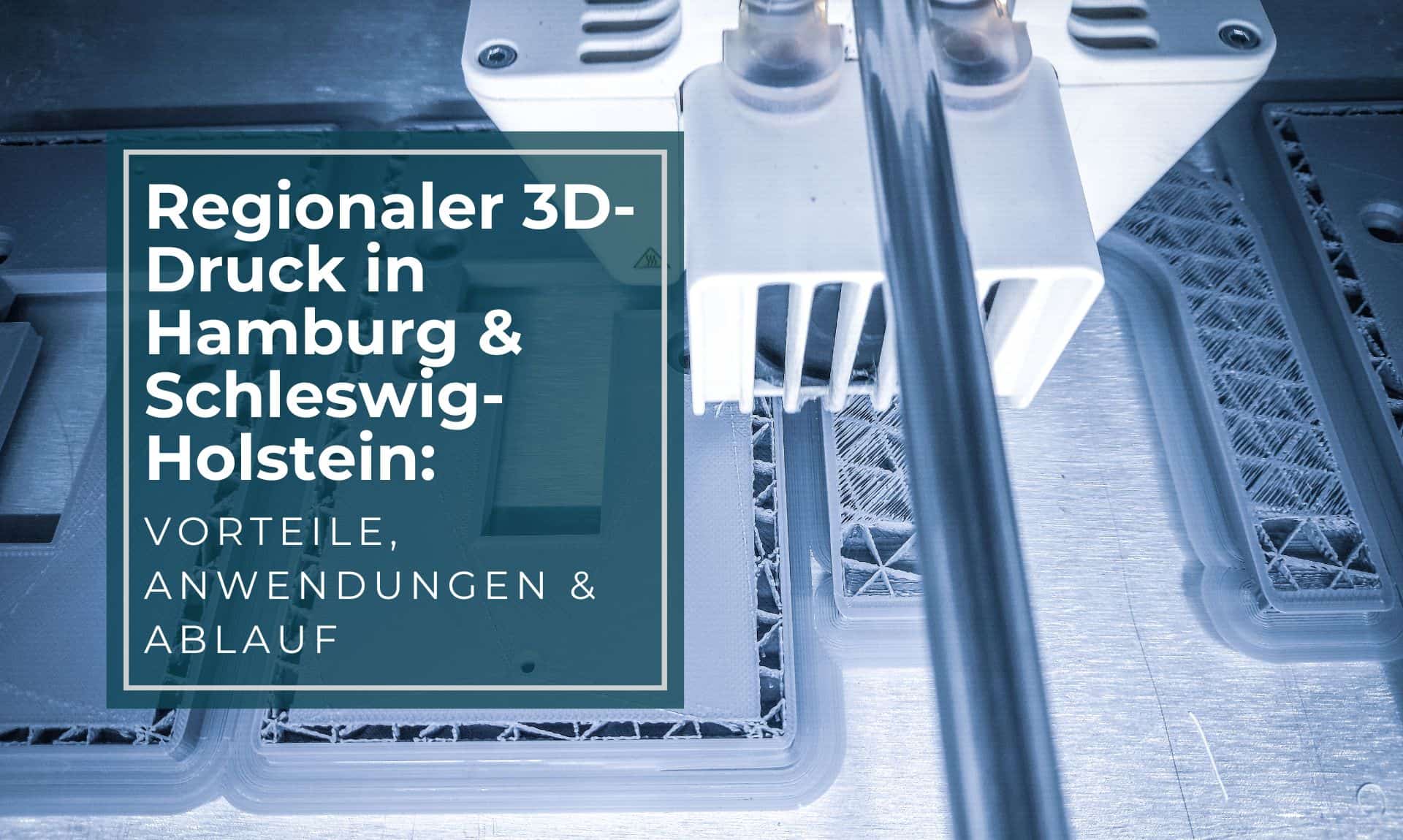
3D printing offers a solution that operates independently of traditional supply chains. Instead of waiting months for spare parts from overseas, components can be manufactured directly on-site. The principle: digital inventory instead of physical stock.
Digital Spare Parts Libraries
Rather than physically storing thousands of spare parts, companies save the CAD data digitally. When needed, the part is printed within hours. This reduces storage costs and eliminates the risk of obsolete inventory.
On-Demand Manufacturing
No minimum order quantities, no tooling costs: additive manufacturing enables economically viable production starting from batch size 1. Whether a single spare part or a small series of 50 pieces, the unit price remains predictable.
Industries That Benefit
Mechanical Engineering and Maintenance
When a machine is down, every hour counts. With 3D printing, worn or broken components can be reproduced even if the original manufacturer no longer exists or has lead times of several months.
Medical Technology
Custom brackets, enclosures, and adapters can be manufactured patient-specifically without relying on standard catalogue components.
Automotive and Vintage Vehicles
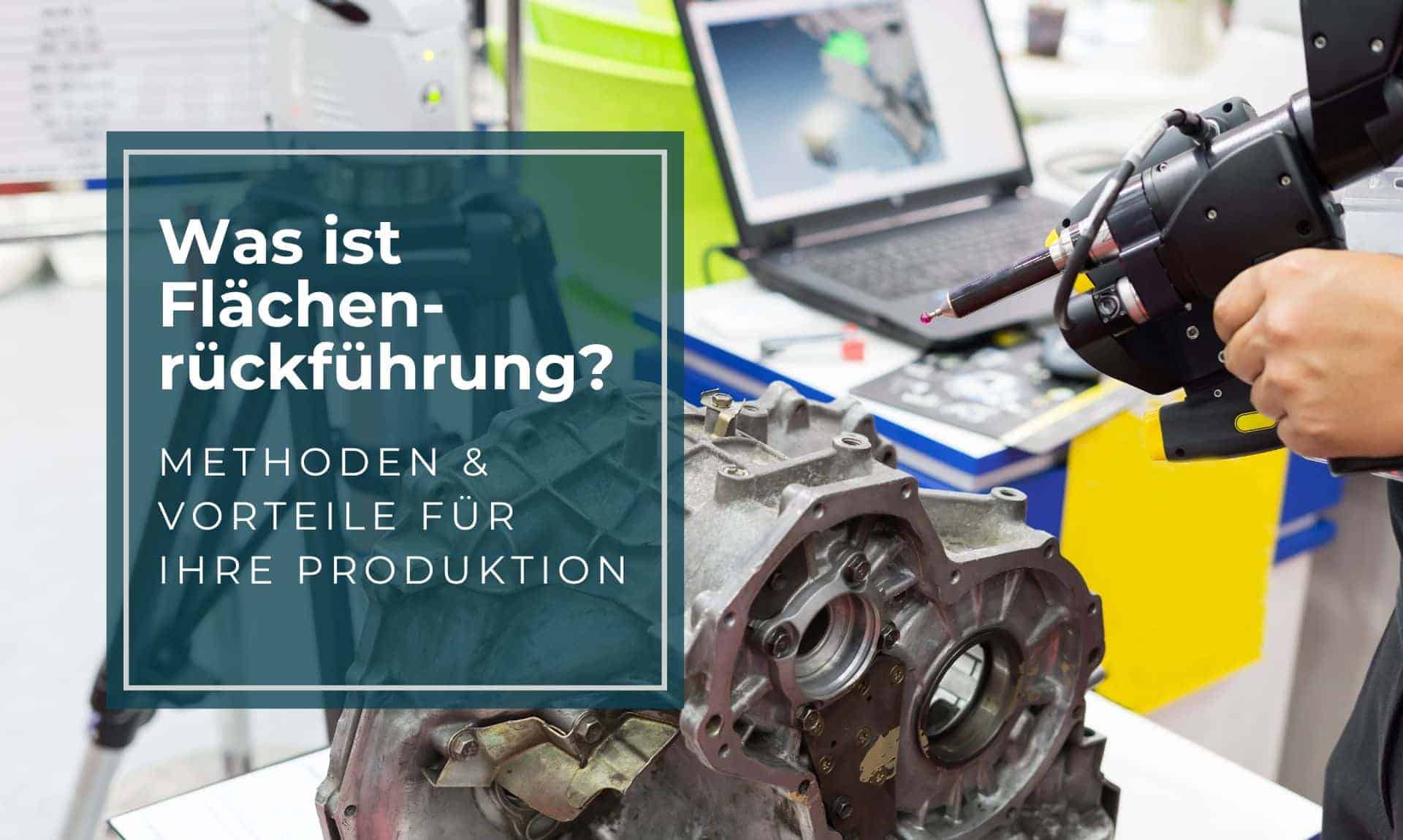
For vehicles whose spare parts are no longer commercially available, reverse engineering combined with 3D printing provides a reliable solution.
Material Diversity for Every Application
Modern 3D printing materials cover a broad spectrum:
- PETG and ABS: Mechanically robust functional parts
- PA12 (Nylon): High wear resistance and chemical stability
- TPU: Flexible components such as seals and bumpers
- High-performance plastics: ASA, PC, and PEI for extreme requirements
Conclusion
Additive manufacturing is not a stopgap measure but a strategic complement to traditional manufacturing processes. Companies that invest today in digital spare parts libraries and local production capacity will secure themselves against long-term supply chain risks.