Why RAL Colors in 3D Printing?
Filaments come in dozens of standard colors — but in your corporate color, an exact customer specification, or matching serial production? Rarely. The solution is classic post-processing: sanding, priming, and painting in any RAL color.
Step by Step: From Raw Surface to RAL Paint Finish
1. Surface Preparation
The quality of the paint finish depends heavily on preparation:
- Reduce layer lines: Sand with 120-grit, then 220-grit, then 400-grit sandpaper
- Fill gaps: Fill deep imperfections with polyester filler or spray filler
- Degrease: Clean surface with silicone remover or isopropanol
2. Primer
The right primer is critical:
- For FDM parts in PLA/ABS/PETG: Plastic adhesion primer (1K or 2K acrylic)
- High-build primer: Fills fine pores and creates an even base
- Sanding sealer: Wet sand (600–800 grit) for optimal adhesion
3. Topcoat
For RAL colors we recommend:
- 2K acrylic paint: Excellent resistance, solvent-resistant, scratch-resistant
- Powder coating: For larger series and maximum durability (requires external service providers)
- Water-based paints: Eco-friendly, sufficient for indoor applications
4. Clear Coat (Optional)
A clear coat protects the surface and enables different gloss levels — from matte to high gloss.
Material-Specific Considerations
- PLA: Sensitive to sanding heat — sand slowly with short intervals
- ABS: Sands well, accepts filler very well
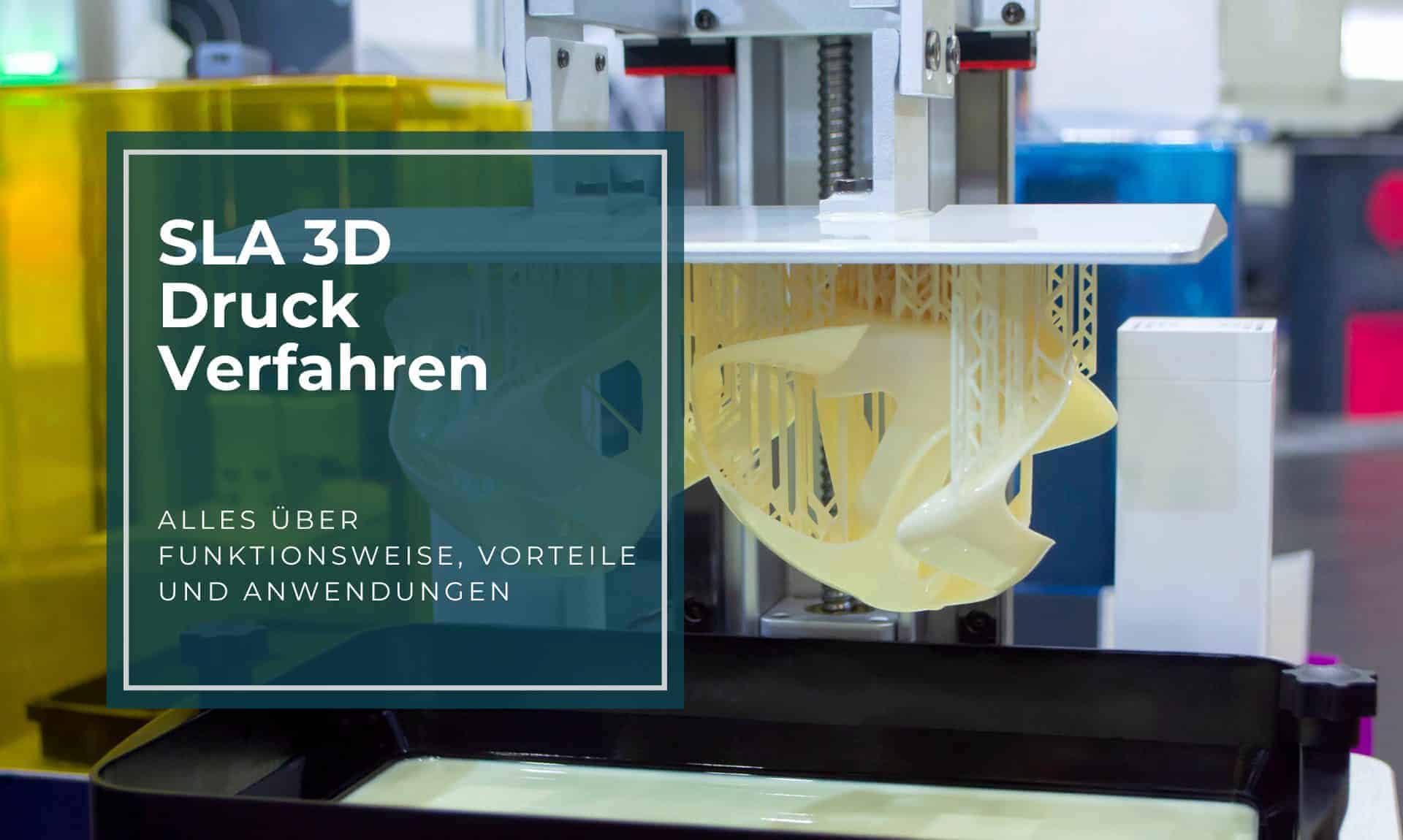
- SLA parts: Resins have a very smooth base, require fewer primer coats
Achievable Quality
With professional post-processing, 3D prints become visually indistinguishable from injection-molded parts. The combination of SLA quality and a proper paint system achieves automotive surface standards.
Conclusion
RAL painting on 3D prints is a craft that takes time — but delivers results that impress in prototype builds and trade show applications. We handle the complete process chain from printing to painting on request.