Two Processes, Two Strengths
FDM and SLA are the two most widely used 3D printing processes. Both create three-dimensional objects layer by layer, but the mechanisms and results differ fundamentally. The right choice depends on your specific project requirements.
FDM (Fused Deposition Modeling)
How It Works
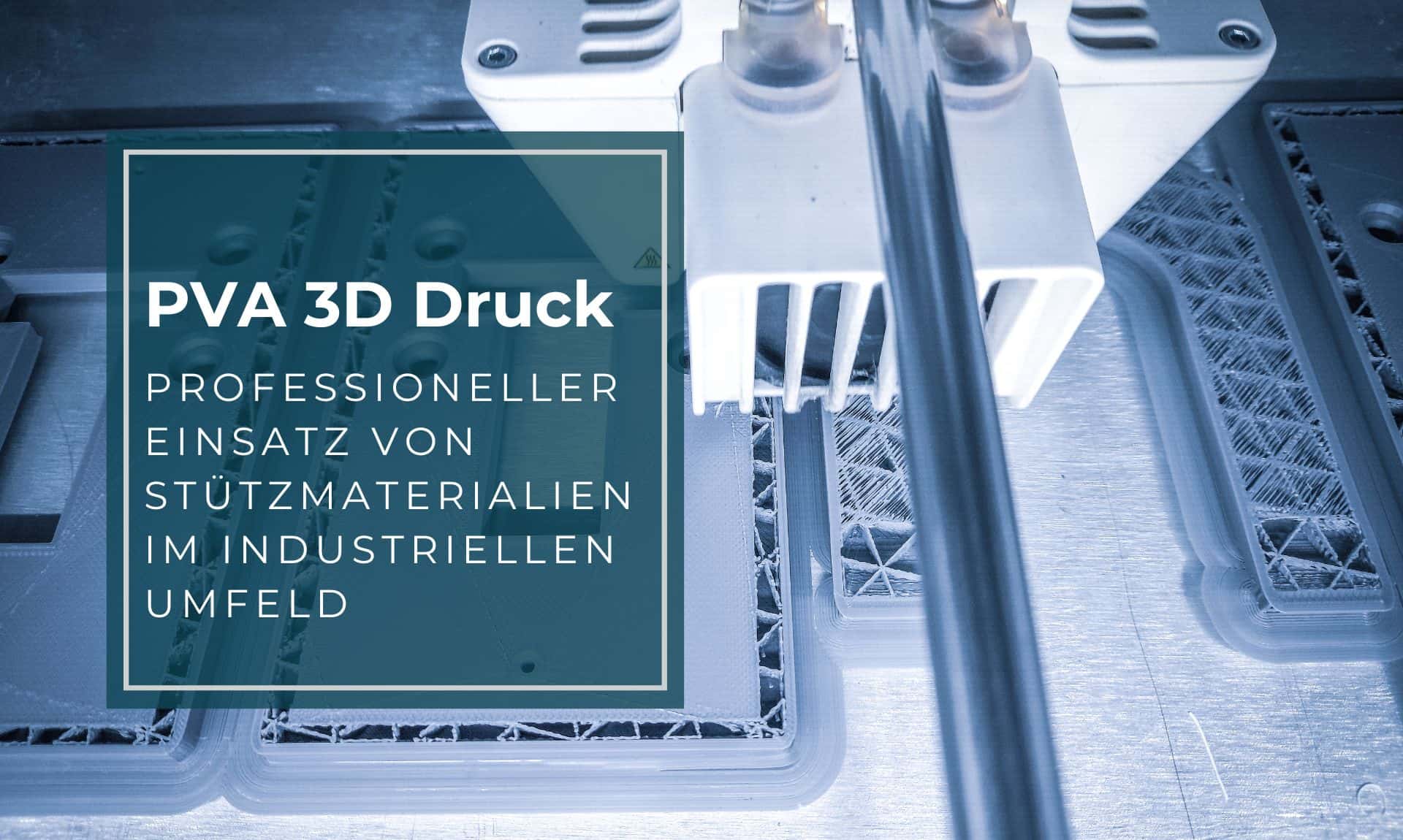
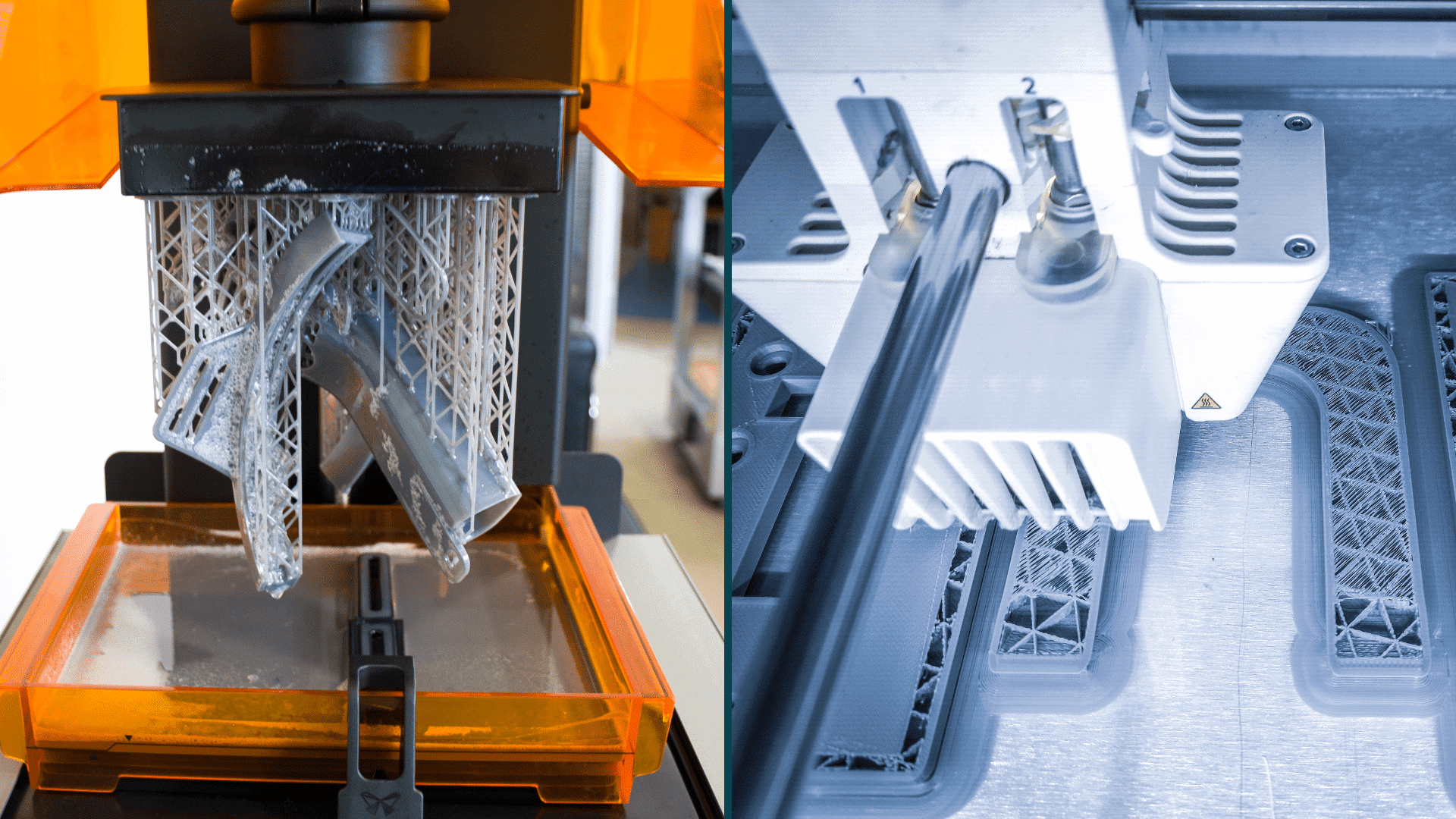
A thermoplastic filament is heated and extruded through a nozzle. The nozzle traces the contour of each layer, building the object from bottom to top.
Strengths
- Material variety: PLA, PETG, ABS, ASA, nylon, TPU, PC, and many specialty filaments
- Cost efficiency: Low material costs and affordable machine prices
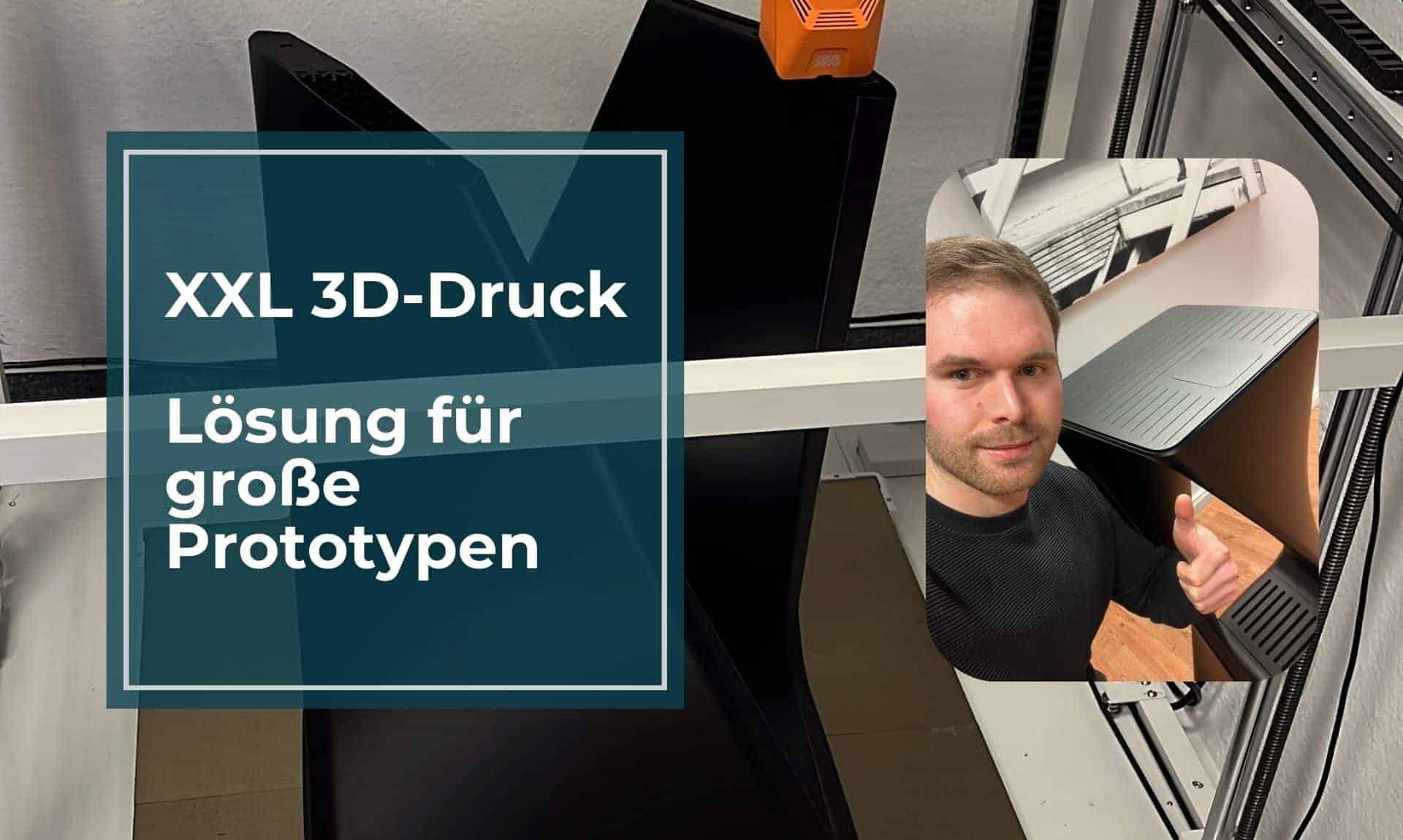
- Large build volumes: XXL parts over one meter in length are possible
- Mechanical durability: Functional parts for long-term use
Limitations
- Visible layer lines on the surface
- Lower detail resolution for fine structures
- Support structures leave marks
Ideal Applications
Functional prototypes, enclosures, jigs, spare parts, small series, and large-format components.
SLA (Stereolithography)
How It Works
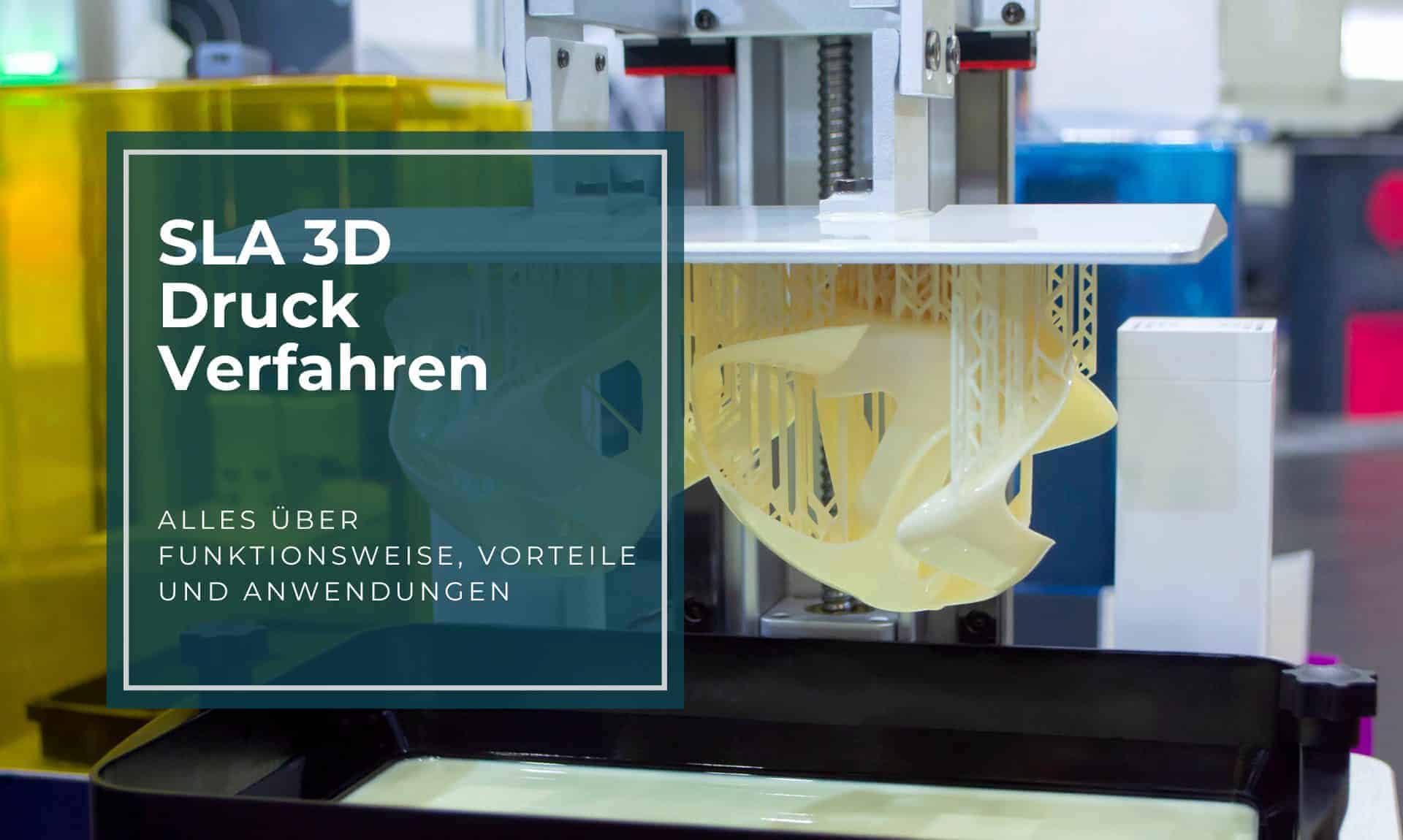
A UV laser cures liquid photopolymer resin layer by layer. Layer thicknesses are significantly smaller than with FDM, resulting in extremely smooth surfaces.
Strengths
- Highest detail resolution: Layer thicknesses from 25 micrometers
- Smooth surfaces: Barely visible layer lines
- Fine structures: Ideal for delicate models and miniature parts
- Dimensional accuracy: Tight tolerances for precise fits
Limitations
- Smaller build volumes than FDM
- Post-processing required (washing and curing)
- Resins are often more brittle than FDM materials
- Higher material costs
Ideal Applications
Visual models, jewelry design, dental technology, investment casting master patterns, highly detailed prototypes, and miniature models.
Direct Comparison
| Criterion | FDM | SLA |
|---|---|---|
| Resolution | 100–300 µm | 25–100 µm |
| Surface | Visible layer lines | Nearly smooth |
| Material cost | Low | Medium to high |
| Build volume | Large to XXL | Small to medium |
| Post-processing | Support removal | Wash + UV cure |
| Mechanical strength | High | Medium |
When to Choose Which?
Choose FDM when:
- Mechanical durability matters more than aesthetics
- Large components are needed
- Cost is a primary concern
- Various engineering materials are required
Choose SLA when:
- Surface quality and detail are the priority
- Tight tolerances must be maintained
- The part serves as a visual model or presentation piece
- Delicate geometries are required
Conclusion
FDM and SLA are not competitors but complement each other. You make the best choice when you clearly define your project requirements. At Reents Technologies, we are happy to advise you on which process is optimal for your project.